
If you’re looking at a new driveway or patio, the first thing most homeowners compare is price. I see it all the time. A quote for proper groundwork and installation on one side, and a much cheaper option or DIY plan on the other. On paper, the cheaper route can look tempting. But over the years I’ve seen what happens when paving isn’t done properly from the start.
Investing in expert driveway installation services isn’t about paying more for the sake of it. It’s about avoiding the hidden costs that show up later in repairs, maintenance and replacement. The true cost of poor paving decisions usually creeps in slowly, then all at once.
Let’s break down why professional installation so often saves homeowners money long term.
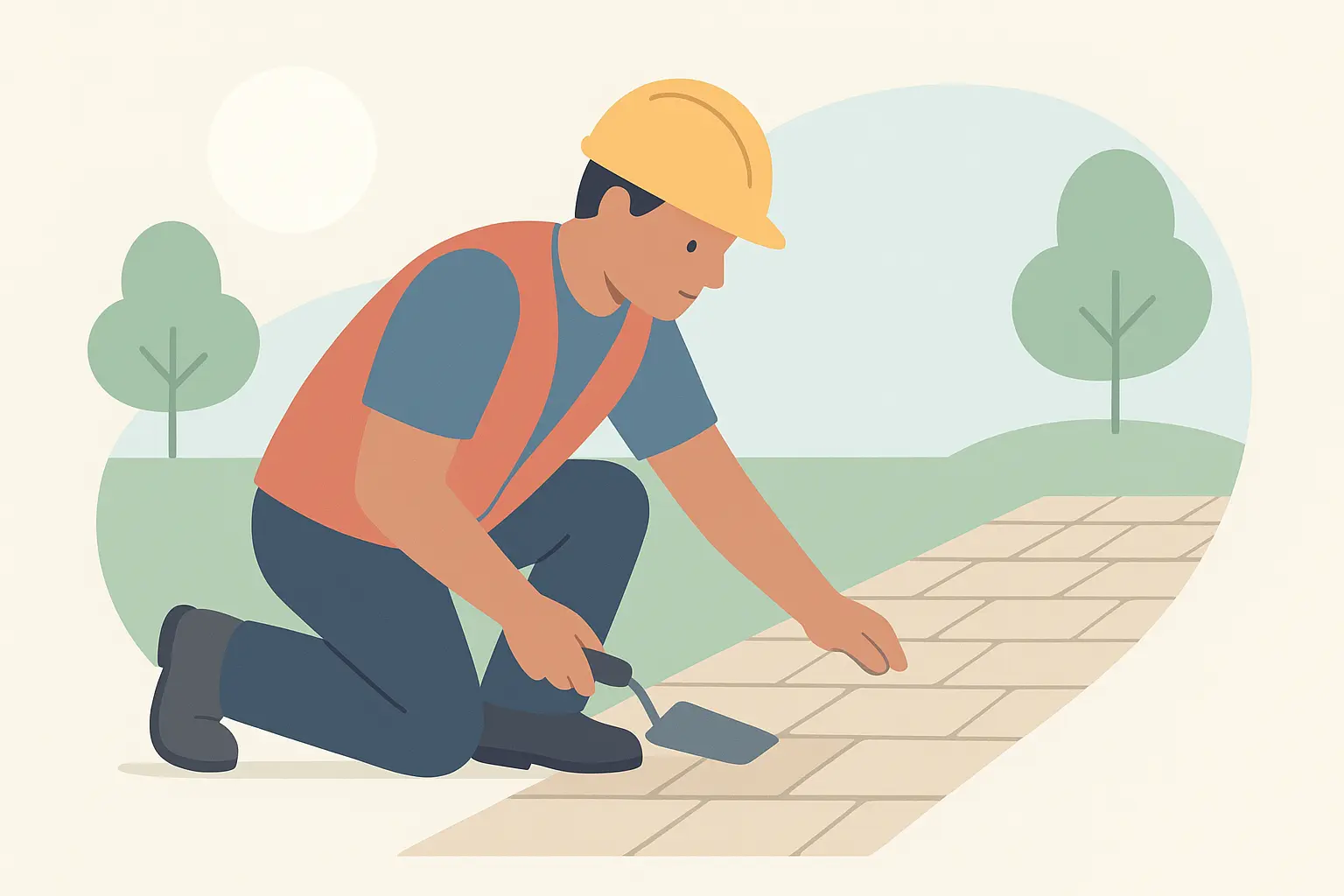
Upfront vs Long-Term Costs: Why Quality Installation Matters
A driveway or patio isn’t just a surface. Underneath what you see is where most of the work and expense should go. The excavation depth, sub-base quality, compaction and drainage all determine how long that surface will last.
When corners get cut, it’s usually below ground. Less digging, thinner sub-base or poor compaction. You might not notice anything wrong for the first year. Then small dips appear. Puddles start forming. Blocks begin to move. Tarmac cracks after a hard winter.
By the time those issues show, repairs are rarely minor. Often sections have to be lifted and redone properly, which means paying twice for labour and materials.
Spending more upfront on proper groundwork is often the difference between a driveway that lasts 20 years and one that struggles after five.
Key Ways Professional Paving Saves Money Over Time
Fewer Repairs
Professionally installed paving is stable because the ground beneath has been prepared correctly. That means fewer sinking areas, loose blocks or crumbling edges.
Lower Maintenance Costs
When levels and drainage are right, water runs off as it should. You avoid standing water, which reduces moss, algae and freeze damage.
Longer Lifespan
Quality materials installed to the right depth simply last longer. Whether it’s block paving or tarmac and asphalt, correct installation protects your investment.
Better Kerb Appeal and Property Value
A well-finished driveway adds to first impressions. For property investors especially, that can directly affect resale value or rental appeal. A tired, uneven drive can make buyers wonder what else has been done on the cheap.
Materials, Drainage and Groundwork: Done Right First Time
Most of the saving comes from getting three things right.
- Proper excavation depth suited to ground conditions
- A solid, well-compacted sub-base laid in layers
- Correct drainage and falls to move water away from the property
In places like Clondalkin, Lucan and Tallaght, ground conditions can vary even street to street. Some areas have softer ground that needs deeper preparation. Others have older concrete underneath from extensions done years ago. A professional installer checks all of that before laying a single block.
I’ve spoken to homeowners who assumed all paving jobs were the same underneath. They are not. Good installers spend a lot of time on work you’ll never see, because that’s what prevents movement and cracking later on.
Common DIY or Cheap Installation Mistakes to Avoid
There’s nothing wrong with being hands-on. But paving is physically demanding and technically precise. Some of the most common issues I’ve seen include:
- Not digging deep enough to allow a solid sub-base
- Using building sand instead of the correct base materials
- Failing to compact in proper layers
- Poor edge restraints causing blocks to spread
- Flat surfaces with no drainage fall
One typical scenario is a driveway that looks good for six months. Then the wheel tracks start dipping where the car sits overnight. That usually means the base wasn’t strong enough to take vehicle weight.
Fixing it properly often means lifting large sections and starting again. What started as a saving turns into a bigger bill than the original professional quote.
Maintenance Benefits of Professionally Installed Driveways
When a driveway is installed correctly, day-to-day upkeep becomes straightforward rather than constant.
Levels are consistent, so water drains away instead of pooling. That reduces weed growth between joints and limits frost damage. Edges stay firm, so you’re not regularly repositioning loose kerbs.
For patios, correct sealing and jointing mean less staining and easier cleaning. A simple wash down once or twice a year is often enough to keep things looking tidy.
Over the lifetime of the driveway, those small reductions in ongoing work and repair add up. It’s not just about money either. It’s about not constantly worrying every winter when temperatures drop.
Choosing the Right Paving Contractor
If long-term savings are your goal, the installer matters as much as the materials.
Ask clear questions:
- How deep will you excavate?
- What type of sub-base will you use?
- How will drainage be handled?
- Is waste removed and disposed of properly?
A professional should be able to explain their process in plain English. No jargon, no avoiding specifics. If someone is vague about groundwork but very focused on a low price, that’s usually where compromises are being made.
Look at previous projects locally. Drive past them if you can. A driveway that still looks solid years later tells you much more than a freshly finished one.
Invest Once, Save for Years
A driveway or patio isn’t something you want to revisit every few years. When installed properly, it should sit there quietly doing its job through heavy rain, cold snaps and daily use without constant attention.
Paying for quality workmanship upfront often means you avoid structural problems, repeated maintenance and premature replacement. For homeowners and property investors alike, that stability is where the real financial benefit lies.
If you’re weighing up your options and want practical advice based on your specific property, it’s worth speaking to experienced professionals such as Unlimited Driveways & Patios. You can get in touch for a free consultation and talk through what would work best for your home long term.